
Top Minimally Invasive Spine Surgeons: What to Know and How to Choose

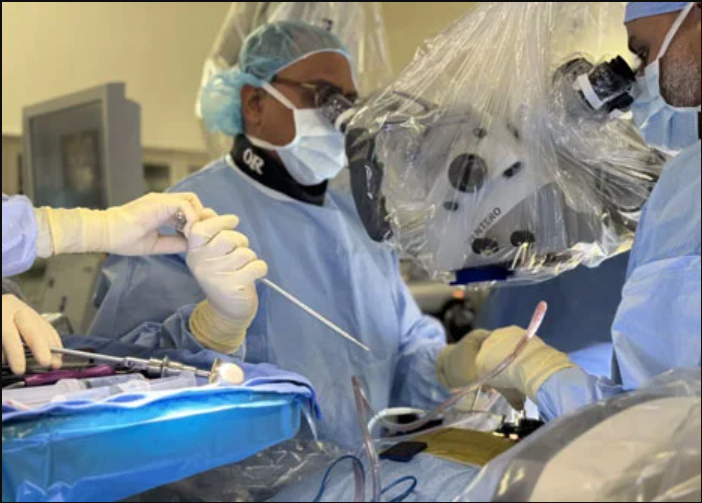
Spinal issues—whether from degenerative diseases, injuries, or chronic conditions—can drastically impact quality of life. For many, surgery is the last resort, but choosing the right surgeon can mean the difference between a swift recovery and a prolonged setback. Today, minimally invasive spine surgery (MIS) has revolutionized treatment by reducing trauma, shortening hospital stays, and lowering complication risks. But with so many surgeons offering these advanced techniques, how do you find the best one for your needs? Let’s break down the essentials.
Understanding Minimally Invasive Spine Surgery (MIS)
MIS is a cutting-edge approach that uses small incisions (often just an inch or less), specialized instruments, and real-time imaging like MRI or CT scans. Unlike traditional open surgery, MIS avoids large tissue cuts, preserving muscles and nerves. This leads to:
- Faster recovery times (weeks vs. months)
- Less postoperative pain
- Reduced risk of infections and scarring
- Quicker return to normal activities
Common MIS procedures include discectomy (removing herniated discs), spinal fusion, decompression, and stabilization. Ideal candidates are those with issues like herniated discs, spinal stenosis, or degenerative disc disease who haven’t found relief through conservative treatments (e.g., physical therapy or injections).
What Makes a Surgeon “The Best” in MIS?
While many surgeons advertise MIS capabilities, expertise varies. Here’s what to look for in a top-tier minimally invasive spine surgeon:
- Fellowship Training in Spinal Surgery
Beyond general orthopedic or neurological surgery training, the best surgeons complete fellowships focused on spinal surgery. This advanced education hones precision, especially with MIS tools and imaging technologies. - Track Record and Experience
Ask how many MIS cases they’ve performed. Surgeons with high case volumes in specific procedures (e.g., microdiscectomy or endoscopic spinal fusion) are more adept at handling complications and achieving optimal outcomes. - Board Certification and Affiliations
Ensure the surgeon is board-certified by a reputable body (e.g., American Board of Neurological Surgery or American Board of Orthopedic Surgery) and affiliated with hospitals known for spine care. - Use of Advanced Technology
Leading surgeons leverage innovations like robotic-assisted surgery, intraoperative navigation, or AI-guided imaging to enhance precision. These tools minimize errors and improve outcomes. - Patient-Centered Approach
Top surgeons take time to understand your condition, explain options clearly, and tailor treatment plans. Look for providers who emphasize non-surgical alternatives first and only recommend surgery when necessary.
How to Choose the Right Minimally Invasive Spine Surgeon
- Research and Referrals
Start with referrals from primary care physicians, physical therapists, or spine specialists. Check online directories (e.g., NicheHospitals or the North American Spine Society) for surgeons with high patient satisfaction ratings. - Review Before-and-After Outcomes
Ask your surgeon about their success rates for your specific condition. Reputable providers often share outcome data or testimonials while protecting patient privacy. - Hospital Affiliations Matter
Surgeons at top spine centers (e.g., Mayo Clinic, Johns Hopkins, or the Texas Back Institute) often have access to the latest technology and multidisciplinary teams for post-op recovery. - Second Opinions
If uncertain, seek a second opinion. A top MIS surgeon will support this decision and provide evidence-based recommendations.
Advancements Driving the Future of MIS
The field is evolving rapidly. Innovations like AI-powered surgical planning, 3D-printed implants, and tiny, flexible endoscopes are making MIS even safer and more effective. Some surgeons now use laser-guided systems to target tumors or fuse vertebrae with millimeter precision. Staying with a surgeon who invests in these technologies ensures you’re getting the best of what modern medicine offers.
Final Thoughts: Prioritize Expertise Over Hype
While flashy marketing can be misleading, the best minimally invasive spine surgeons build their reputations through skill, compassion, and patient results. Take time to vet potential providers, ask questions, and choose someone who combines technical mastery with a personal touch.



Responses