
The Role and Relevance of a Custom Tailor Bangkok in Modern Tailoring

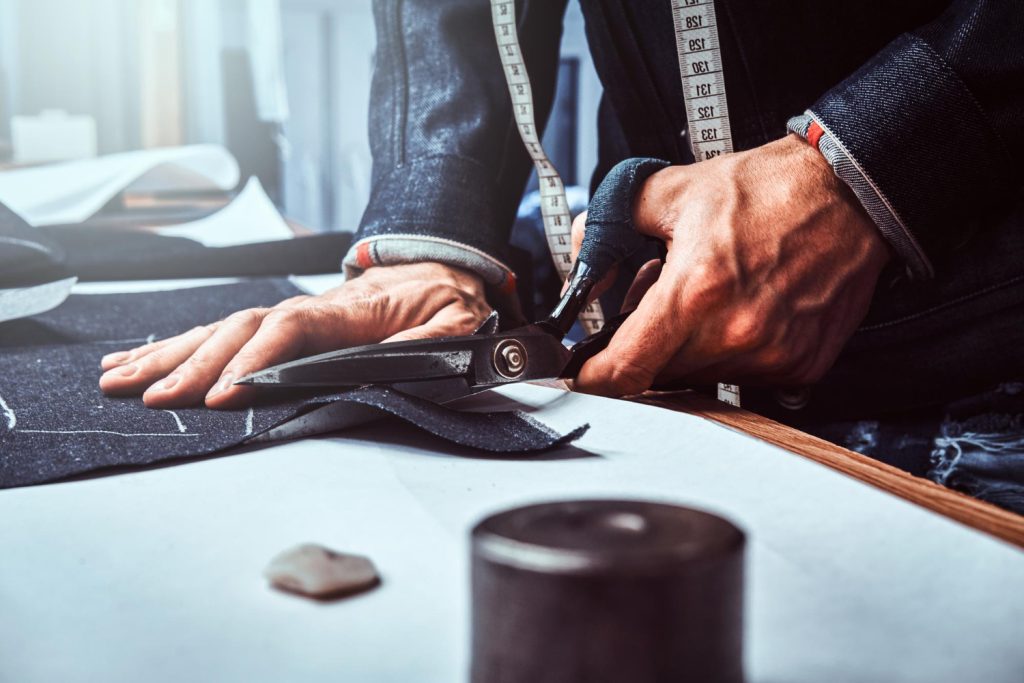
For readers in the United States exploring global clothing traditions, the phrase custom tailor Bangkok often arises in conversations about made-to-measure garments and international tailoring practices. Rather than indicating a specific business or trend, the term represents a long-established craft shaped by history, cultural exchange, and technical expertise. Understanding what defines a custom tailor Bangkok requires examining the profession’s background, methods, and ongoing relevance within the broader context of tailoring.
Historical Roots of Custom Tailoring in Bangkok
The origins of a custom tailor Bangkok can be traced to Thailand’s historical engagement with international trade and diplomacy. During the late nineteenth and early twentieth centuries, Bangkok developed as a regional center where Eastern and Western influences intersected. Western-style clothing, particularly tailored garments, became increasingly common among diplomats, professionals, and officials.
Local artisans responded to this shift by adapting traditional sewing skills to new garment structures. Pattern drafting, structured jackets, and tailored trousers required different techniques than traditional attire. Over time, these skills were refined and passed down through apprenticeships, establishing a foundation for what is now understood as custom tailoring in Bangkok.
Defining a Custom Tailor Bangkok
A custom tailor Bangkok is defined by the practice of creating garments based on individual measurements and preferences. Unlike standardized clothing, custom tailoring involves a detailed process that begins with consultation and measurement. The tailor assesses body proportions, posture, and intended garment use before drafting patterns.
This approach prioritizes fit and functionality. Each garment is constructed to align with the wearer’s specific dimensions, allowing adjustments throughout the process. The role of a custom tailor Bangkok centers on precision, adaptability, and problem-solving rather than mass production.
The Measurement and Consultation Process
The initial stage of working with a custom tailor Bangkok typically involves a comprehensive measurement process. Measurements are taken across multiple points to capture the body’s unique shape. These measurements inform pattern creation and garment balance.
Consultation is equally important. The tailor discusses factors such as climate, lifestyle, and frequency of wear. In Bangkok, environmental considerations often influence design choices, including fabric weight and garment structure. This dialogue ensures that the finished garment aligns with practical needs rather than purely aesthetic preferences.
Fabric Selection and Material Knowledge
Fabric selection plays a critical role in custom tailoring. A custom tailor Bangkok is generally familiar with a wide range of materials, from natural fibers to blended textiles. Due to Thailand’s warm climate, lightweight and breathable fabrics are commonly used, though heavier materials may be chosen for specific purposes.
Understanding fabric behavior is essential. Different weaves and fibers respond differently to structure, movement, and wear. The tailor’s knowledge helps determine how a garment will drape, maintain shape, and perform over time. This material expertise distinguishes custom tailoring from ready-made clothing.
Construction Techniques and Craftsmanship
The construction process used by a custom tailor Bangkok combines traditional handwork with modern tools. Pattern cutting requires accuracy, as even small deviations can affect fit. Once cut, garments are assembled through a series of stages, each contributing to structure and durability.
Hand stitching is often used in areas requiring flexibility or refinement, such as lapels or finishing details. Sewing machines support efficiency in seams and assembly. This hybrid approach reflects how tailoring has evolved while maintaining core craftsmanship principles.
The Importance of Fittings and Adjustments
Fittings are central to the custom tailoring process. A custom tailor Bangkok typically conducts one or more fittings to assess how the garment aligns with the wearer’s body. These sessions allow for adjustments to length, width, balance, and comfort.
The fitting process highlights the tailor’s analytical skills. Observing how fabric moves and where tension occurs guides refinements. This iterative approach ensures that the final garment meets functional expectations and fits as intended.
Cultural Significance of Custom Tailoring in Bangkok
Custom tailoring in Bangkok carries cultural significance beyond garment creation. Clothing has long been associated with social roles, professionalism, and ceremonial occasions in Thai society. Tailors contribute to these expressions by producing garments suitable for formal and professional contexts.
The profession also reflects Bangkok’s multicultural environment. Over decades, tailors have adapted to diverse style preferences influenced by global fashion trends. This adaptability illustrates how a custom tailor Bangkok operates within a dynamic cultural landscape.
Global Perception and the American Perspective
From a United States viewpoint, the term custom tailor Bangkok is often encountered through travel discussions and cultural references. International awareness has shaped perceptions of Bangkok as a center for custom garments. However, these perceptions sometimes simplify the profession, focusing on convenience rather than craftsmanship.
In practice, becoming a skilled custom tailor requires years of experience. Apprenticeships and hands-on training are common, allowing tailors to master pattern-making, fabric handling, and garment construction. This depth of skill underpins the profession’s reputation.
Modern Influences and Technological Change
The role of a custom tailor Bangkok has evolved alongside technological advancements. Digital measurement tools, communication platforms, and global logistics have influenced how tailoring services are delivered. These changes reflect broader transformations within the apparel industry.
Despite these developments, the core principles of custom tailoring remain unchanged. Measurement accuracy, fitting, and manual adjustment continue to define the craft. Technology serves as a supplement rather than a replacement for traditional skills.
Comparison with Custom Tailoring in the United States
Comparing a custom tailor Bangkok with tailoring practices in the United States provides useful context. In the U.S., custom tailoring often exists within niche markets or high-end fashion segments. Alteration services are more common for everyday garments.
Bangkok’s tailoring tradition historically emphasized made-to-measure clothing for a wide audience. Climate, cultural norms, and lifestyle differences influence garment design in both regions. These contrasts demonstrate how tailoring adapts to local conditions while maintaining universal principles of fit and function.
Sustainability and Custom-Made Garments
Custom tailoring is increasingly discussed in relation to sustainability. A custom tailor Bangkok typically produces garments on an individual basis, which can reduce waste associated with mass production. Made-to-measure clothing is often worn longer due to better fit and durability.
However, sustainability also depends on responsible material sourcing and labor practices. As global awareness grows, tailoring communities face evolving expectations regarding environmental and ethical considerations.
The Continuing Role of the Custom Tailor Bangkok
The enduring relevance of a custom tailor Bangkok lies in the profession’s balance of tradition and adaptability. In a fashion environment dominated by rapid trends and standardized sizing, custom tailoring offers an alternative focused on individuality and longevity.
For readers in the United States, understanding this profession provides insight into how craftsmanship operates across cultures. The custom tailor Bangkok represents a skilled practice shaped by historical influence, technical knowledge, and cultural exchange.
Conclusion
A custom tailor Bangkok embodies a tailoring tradition rooted in history, precision, and adaptability. Through detailed measurement, thoughtful construction, and careful fitting, custom tailoring emphasizes function and fit over mass production. Examining the role and practices of a custom tailor Bangkok offers a deeper understanding of tailoring as a craft, highlighting its cultural significance and ongoing relevance without promotion and with a clear focus on the profession itself.



Responses