
Smart Home Security System Use in Canada: Technology, Safety, and Residential Living

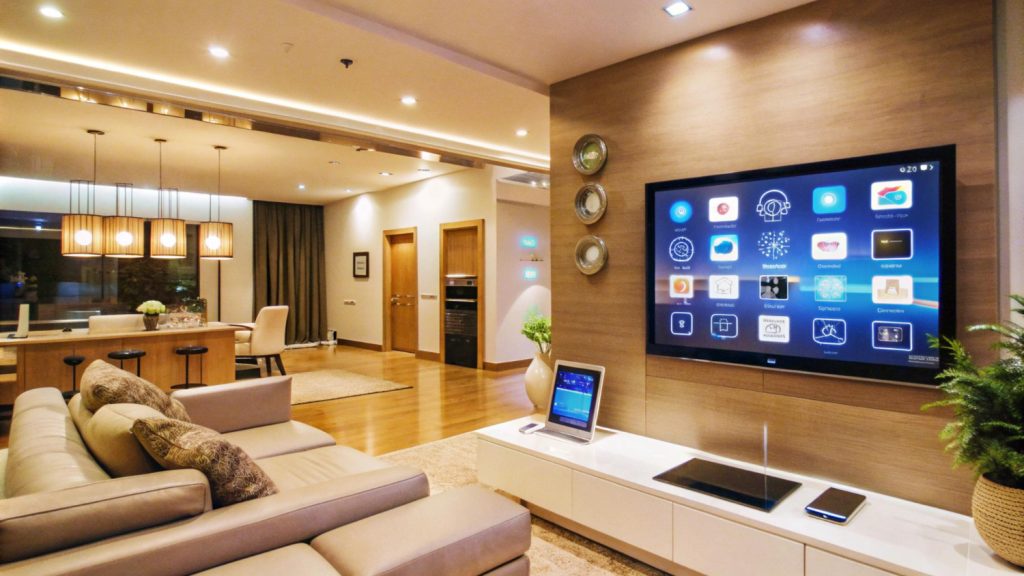
Residential security has become an increasingly important topic across Canada as households adapt to changing urban landscapes, digital connectivity, and evolving lifestyles. Within this context, the smart home security system has emerged as a notable development in how safety is managed in modern homes. Rather than relying solely on traditional mechanical solutions, Canadian households are exploring integrated technologies that allow monitoring, alerts, and system control through digital platforms.
This blog examines the concept of the smart home security system in Canada, focusing on how it functions, why it has gained relevance, and the broader considerations surrounding its use in residential settings.
Defining a Smart Home Security System
A smart home security system refers to a network of connected devices designed to monitor, detect, and respond to potential security events within a residential property. These systems typically operate through digital communication, allowing homeowners to access information and controls remotely.
In the Canadian context, the smart home security system is often viewed as a practical response to both urban and suburban living conditions. It combines physical security components with digital oversight, offering a structured approach to managing safety across different types of housing.
Core Components of a Smart Home Security System
A smart home security system is made up of several interconnected elements, each serving a specific purpose. Sensors are commonly used to detect movement, changes in entry points, or unusual activity. These sensors provide data that can trigger alerts or automated responses.
Monitoring tools form another key component. These tools allow residents to view activity in and around their homes, either in real time or through recorded data. Alerts and notifications help keep residents informed, particularly when they are away from home.
Control interfaces bring these elements together. Through centralized platforms, users can manage settings, review alerts, and adjust system behavior. This integration is central to the functionality of a smart home security system.
Smart Home Security System Adoption in Canada
Across Canada, adoption of the smart home security system has been influenced by a variety of factors, including urbanization, housing density, and digital infrastructure. In major cities, higher population density has increased interest in systems that provide consistent monitoring within limited space.
In suburban and rural areas, smart home security systems address different concerns, such as property size and distance from emergency services. In these settings, remote monitoring and automated alerts can play a role in maintaining awareness over larger areas.
The flexibility of smart home security system designs allows them to be adapted to different regional needs, contributing to their growing presence across the country.
Integration with Daily Living
One defining characteristic of a smart home security system is its integration into everyday routines. Rather than operating as a separate or isolated feature, the system becomes part of how residents interact with their homes.
Automated arming and disarming schedules can align with daily activities such as work hours or travel. Notifications can be tailored to provide relevant information without overwhelming users. This integration reflects a shift toward security systems that are responsive to lifestyle patterns.
In Canadian households where remote work and flexible schedules are increasingly common, this adaptability supports a more seamless approach to home security.
Environmental and Seasonal Considerations
Canada’s climate and seasonal changes influence how a smart home security system is used and maintained. Cold winters, variable weather, and long periods of darkness in certain regions affect both physical security and system performance.
Smart home security systems can be configured to adjust sensitivity or alert settings based on environmental conditions. For example, monitoring systems may account for changes in light levels or weather-related movement.
Seasonal adaptability helps ensure consistent performance throughout the year, making the smart home security system suitable for Canada’s diverse climate conditions.
Privacy and Data Management
As smart home security systems rely on digital communication and data collection, privacy considerations are a central part of the discussion. In Canada, where data protection regulations emphasize responsible handling of personal information, these concerns are particularly relevant.
A smart home security system generates data related to household activity and system usage. Managing this data responsibly requires clear user controls and transparent system settings. Residents must balance the benefits of monitoring with the need to protect personal privacy.
Understanding how data is stored, accessed, and used is an important aspect of smart home security system adoption in Canadian homes.
Accessibility and Ease of Use
Accessibility is another factor shaping the role of the smart home security system. User interfaces are designed to simplify interaction, allowing residents to manage security features without technical expertise.
For individuals with mobility limitations or those who prefer centralized controls, smart home security systems offer alternatives to traditional physical security measures. Alerts, automated responses, and remote access reduce the need for manual checks.
In Canada’s diverse population, this accessibility supports broader use across different age groups and household types.
Maintenance and Reliability
Reliability is essential for any security system, and the smart home security system is no exception. Regular updates, system checks, and maintenance play a role in ensuring consistent performance.
Automated diagnostics may identify issues such as connectivity disruptions or sensor malfunctions. Early alerts allow residents to address problems before they compromise security.
In Canadian regions where extreme weather can affect infrastructure, maintaining system reliability is particularly important. A well-maintained smart home security system can adapt to these conditions while continuing to provide consistent monitoring.
Challenges and Limitations
Despite its advantages, the smart home security system also presents challenges. Technical complexity may require an initial learning period, especially for users unfamiliar with connected technologies.
Compatibility between different devices and systems can also be a concern. For a smart home security system to function effectively, all components must communicate reliably. Planning and system configuration are therefore important steps in implementation.
Additionally, access to stable internet connectivity can influence system performance, particularly in remote or rural Canadian areas.
The Future of Smart Home Security Systems in Canada
The role of the smart home security system in Canada is likely to continue evolving as technology advances and residential needs change. Increased focus on automation, data analysis, and system interoperability may further shape how security is managed in homes.
Future systems may place greater emphasis on predictive monitoring, using patterns to identify unusual activity before incidents occur. This approach aligns with broader trends in smart home development and digital living.
As housing designs and urban planning continue to change, the smart home security system is expected to remain a relevant component of residential safety strategies across Canada.
Conclusion
The smart home security system represents a modern approach to residential safety in Canada, integrating technology with everyday living practices. By combining monitoring, alerts, and centralized control, these systems offer a structured way to manage security without relying on promotional narratives or brand-driven solutions.
In a country characterized by diverse living environments and climatic conditions, the smart home security system provides adaptable tools that support awareness, consistency, and informed decision-making. Its continued development reflects a broader shift toward connected and responsive residential spaces designed to meet contemporary Canadian needs.




Responses