
Top Mistakes to Avoid When Shopping for Bicycles for Sale

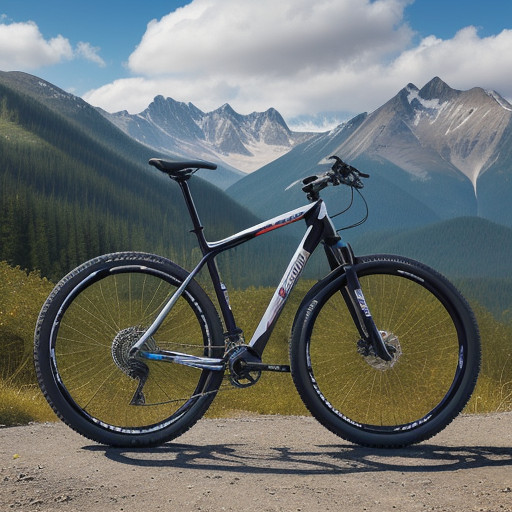
The process of purchasing a bicycle is a thrilling one, be it that you are going to upgrade your existing bike or you are new to the world of cycling. There are numerous bicycles available in the market with thousands of online stores and stores in the neighbourhood, so one can be easily tempted by glamorous designs or throwback offers. Nevertheless, arriving at the wrong bike may result in disputes, unfavourable results, and unwarranted costs. This knowledge of the pitfalls to avoid prior to making a purchase can make you have a long-term investment that will not only look good based on your purposes of riding but also your lifestyle.
Focusing Only on Brand Names
Among the most frequent errors made by the buyers is the selection of a bicycle relying only on the brand. Although good brands are usually good in terms of reliability in quality, there is no brand that fits or works well with all riders. Considering the example of a high-performance Scott MTB, which can look appealing, but does not meet your terrain choice, frequency of ride, or even your physical figure, then it may not provide the experience that you would desire.
Instead of focusing on brand, it is imperative to consider frame geometry, component quality and intended use. A cheaper model having the right specs can very well be more efficient and comfortable than an expensive bike that does not fit the requirement.
Ignoring Proper Bike Fit
Bike fit is significant in comfort, efficiency and injury prevention. This is not taken into account by many buyers who believe that in the case of wrong sizing, such changes can be kept apart by making slight adjustments. Actually, a sizeable or too small bike influences the posture, balance and power transfer.
Leaving out of the processes of reach, saddle height, and positioning of the handlebars, will inevitably lead to discomfort when the rides are longer. Riding various sizes and following sizing instructions or advice will help so that the bike is able to aid in a natural movement and correct riding technique. The consideration of fit has to be first before colour, accessories, or discount.
Ignoring Intended Riding Purpose.
The other error that is common in most cases is purchasing a bike without a clear knowledge of its usage. Different features are required in road cycling, mountain trails, commuting, fitness training and competitive racing. A commuter bikes will seem ineffective on a trail but a racing frame will not suit people to go on a weekend ride.
Certain purchasers are motivated to purchase niche categories like TT bikes for sale without giving full attention to the requirements of time-trial cycling, which is usually quick and aggressive riding and specialized training. The wise thing to do is to pick a bike that matches your real riding lifestyle so it is more comfortable, better performing and more satisfying in the long run.
Lack of Component Quality and Upgradability.
Components tend to play a very crucial role in determining the performance of a bike with time whereas frames mostly steal the game. Gears, brakes, wheels and drives are very different in terms of durability and serviceability. These are very important aspects that are not considered by the buyers who are too concerned with the looks or the prices.
Poor quality parts will need more maintenance or replacement at an early stage, which will raise the cost in the long term. This can be assessed by determining the ease with which parts can be serviced and upgraded so that your bike can expand with your abilities and riding objectives.
Forgetting to Factor in Training and Indoor Compatibility
Contemporary biking is not limited to outdoor biking. Cyclists also use indoor training supplements particularly when they do not have pleasant weather. The most frequent mistake is the buying of a bike without taking into consideration whether it is compatible with indoor equipment like a Tacx flow smart trainer.
Certain bikes may only fit well on trainers with the use of certain types of axle, spacing, frame mounting and so on. In case indoor riding is in your daily routine or in your future plan, it will help to make it compatible without feeling frustrated and incurring surprise costs.
Prioritizing Price Over Long-Term Value
Budgets are important but when one is looking at the initial cost it becomes easy to regret. Very low-priced bicycles can cut corners or material, engineering or component quality. This is usually not very good and soon after limited use, it becomes evident and is therefore repaired or replaced.
Long term value takes into account the durability, warranty coverage, servicing requirements and upgrading possibilities. A middle-end bike which works well over the next few years can be quite cost-effective as compared to a low end bike which can hardly sustain daily needs.
Skipping Test Rides and Professional Input
The other major error is making purchases without proper test riding. On paper a bike could seem perfect but in action it would be crude. Handling, shifting responsiveness, braking confidence and general comfort can be determined through test rides.
Your choice can also be improved by professional contribution of an expert staff or a fit specialist. They will be able to evaluate the posture, style of riding, and objectives to prescribe models that you have not necessarily thought of. Online description or reviews can only give you a limited chance to consider the real performances of a bike.
Overlooking Maintenance Requirements
All bicycles need some maintenance, yet, some bicycles and parts of them require more or less attention. Some of the factors that buyers ignore include suspension servicing, replacement of the drive train, and maintenance of the brakes.
Nonetheless, awareness of the maintenance requirements will eliminate unpleasant surprises and make the ownership a pleasure without a strain. The consideration of the cost of servicing and the availability of local repair assistance is a key component of the purchase process.
Conclusion
Bicycle selling shopping should be an informed and considerate process. Mistakes to avoid include not paying attention to the fit, concentrating on brands, not paying attention to intended use, and not paying attention to the quality of the components to ensure that you and your investment are safe. With a long-run needs assessment, compatibility of the training and professional advice, you can select a bicycle that can indeed help you achieve the lifestyle and ambition of riding. An appropriately selected bike is not just a piece of equipment but a health and exploration and performance partner.

Responses