
Tiny Incisions, Monumental Relief: How Endoscopic Spine Surgery is Reshaping the Future of Back Care

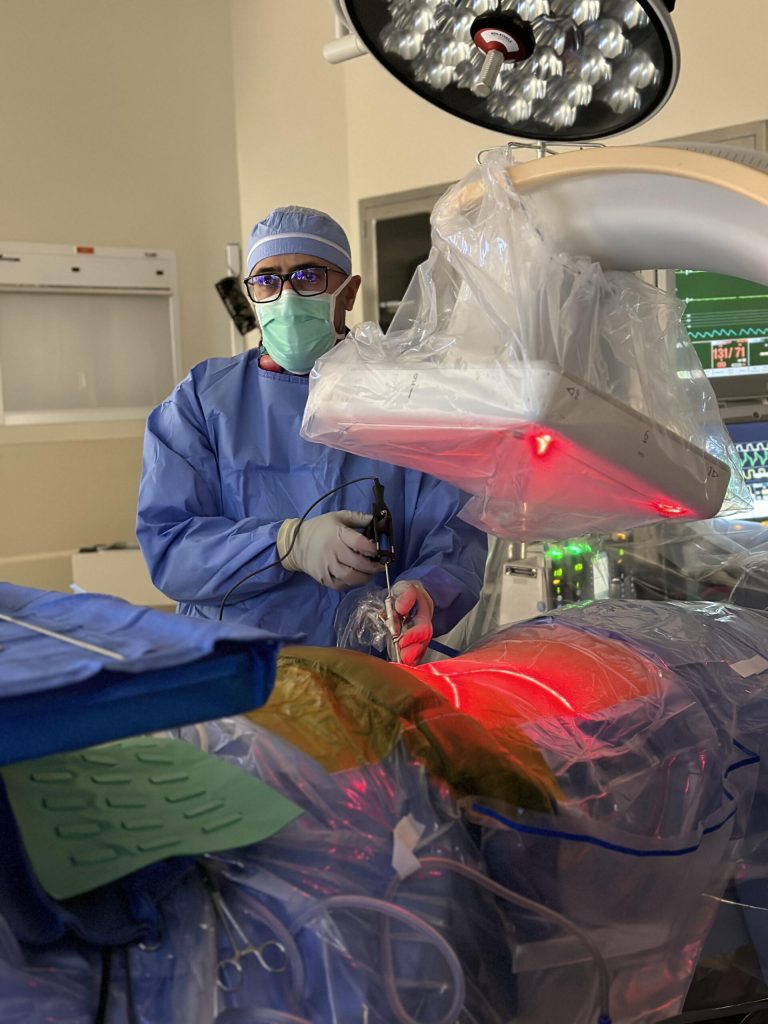
For decades, the very mention of spine surgery conjured images of long incisions, extended hospital stays, and a daunting recovery period. But the landscape of spinal treatment is undergoing a dramatic transformation, driven by a revolutionary approach: endoscopic minimally invasive spine surgery. This cutting-edge technique is not just improving outcomes; it’s fundamentally changing how we approach and experience back and neck pain relief, offering hope and a faster return to life for countless individuals.
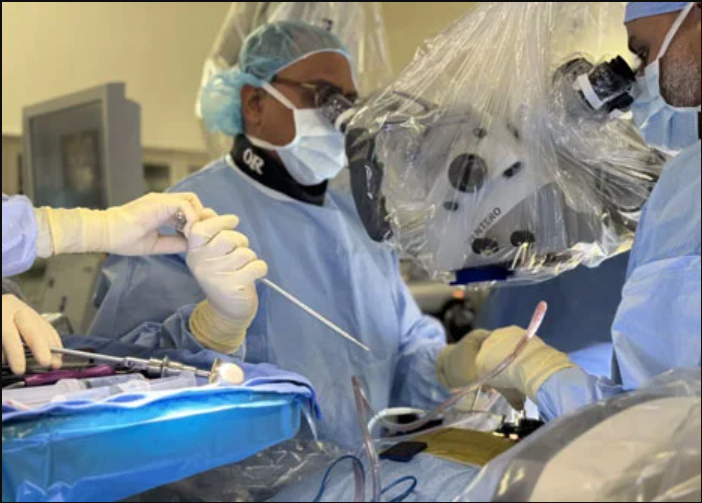
Gone are the days of wide surgical openings. Endoscopic spine surgery, at its core, utilizes small, specialized instruments and a high-definition camera (the endoscope) to perform complex procedures through tiny incisions, often no larger than a dime. This minuscule entry point allows surgeons to visualize and operate on the affected areas of the spine with incredible precision, all while minimizing damage to surrounding tissues.
What Makes Endoscopic Spine Surgery a Game-Changer?
The benefits of this minimally invasive approach are profound and far-reaching:
- Reduced Pain and Discomfort: By preserving muscles, ligaments, and other soft tissues, endoscopic surgery significantly reduces post-operative pain compared to traditional open procedures. Patients often report a less painful recovery and require fewer pain medications.
- Faster Recovery and Shorter Hospital Stays: The minimal disruption to the body translates into a quicker healing process. Many endoscopic procedures can be performed on an outpatient basis, meaning patients can go home the same day. For those requiring hospitalization, the length of stay is considerably shorter.
- Minimized Scarring and Improved Aesthetics: The tiny incisions leave behind remarkably small scars, a stark contrast to the more prominent scars associated with open surgery. This offers a significant aesthetic advantage for patients.
- Lower Risk of Complications: With less tissue disruption, the risks of infection, blood loss, and nerve damage are generally lower. The enhanced visualization provided by the endoscopic camera also allows surgeons to operate with greater accuracy, further reducing the chance of complications.
- Quicker Return to Daily Activities: Perhaps one of the most significant benefits for patients is the ability to resume their normal lives, work, and hobbies much sooner. The reduced recovery time means less time away from loved ones, responsibilities, and the activities that bring joy.
A Spectrum of Solutions
Endoscopic spine surgery isn’t a one-size-fits-all solution, but its applications are rapidly expanding. It’s proving highly effective for a range of common spinal conditions, including:
- Herniated Discs: The delicate instruments can precisely remove the herniated portion of the disc that is compressing a nerve, offering significant relief from sciatica and radiating pain.
- Spinal Stenosis: Endoscopic techniques can decompress narrowed spinal canals by removing bone spurs or thickened ligaments that are causing pain and mobility issues.
- Degenerative Disc Disease: In select cases, endoscopic procedures can address the source of pain associated with worn-out discs.
- Other Conditions: Research and technological advancements continue to broaden the scope of conditions treatable with endoscopic techniques, including certain types of spinal fractures and tumors.
The Technology Behind the Transformation
The success of endoscopic spine surgery is intrinsically linked to the sophisticated technology that enables it. High-definition cameras provide magnified, crystal-clear views of the surgical field, allowing surgeons to work with unparalleled precision. Specialized instruments, designed to be inserted through narrow tubes, enable a range of actions, from cutting and removing tissue to cauterizing blood vessels. Advanced imaging techniques, such as intraoperative navigation systems, further enhance accuracy and safety.
Looking Ahead: The Future is Minimally Invasive
The trajectory of spine care is undeniably leaning towards minimally invasive techniques, and endoscopic surgery is at the forefront of this revolution. As technology continues to evolve and surgeons gain further expertise, we can anticipate even more complex spinal procedures becoming safely and effectively treatable with endoscopic approaches.
For individuals suffering from debilitating back and neck pain, the future of spine care is brighter than ever. Endoscopic minimally invasive spine surgery offers a less intrusive, more effective, and faster path to relief, allowing patients to not just recover, but to reclaim their lives with renewed vigor. If you’re experiencing chronic spinal pain, it’s crucial to discuss the potential benefits of endoscopic surgery with a qualified spine specialist. The future of your well-being might just be a tiny incision away.


Responses